Understanding Pigeons: A History of Compassion
- rockbirdrefuge
- May 27
- 4 min read
Pigeons, often dismissed as mere urban nuisances, have a rich history intertwined with human civilization. From their role in ancient cultures to their contributions during wartime, these remarkable birds have shown resilience and adaptability. This blog post explores the fascinating journey of pigeons, highlighting their significance and the compassion they inspire in many.
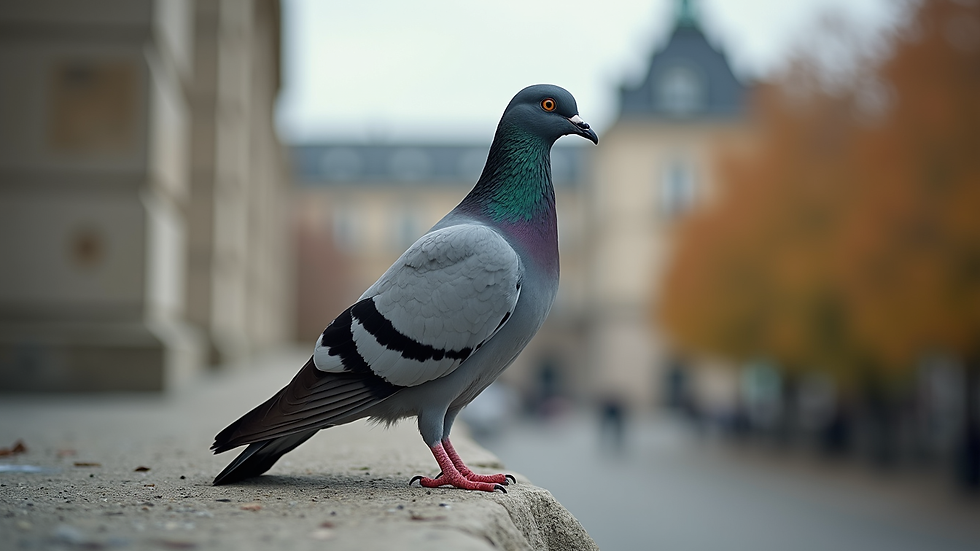
The Origins of Pigeons
Pigeons belong to the family Columbidae, which includes over 300 species. The domesticated pigeon, known as the rock pigeon, has its roots in the wild populations found in Europe, North Africa, and South Asia. Archaeological evidence suggests that humans began domesticating pigeons around 5,000 years ago in the Middle East.
Early Uses of Pigeons
Communication: One of the earliest uses of pigeons was as messengers. Their homing ability allowed them to return to their nests over long distances, making them invaluable during wars and for sending important messages.
Food Source: Pigeons have also been a source of food for many cultures. Their meat is considered a delicacy in various cuisines around the world.
Cultural Significance: In ancient Egypt, pigeons were revered and often depicted in art. They symbolized love and fidelity, which is still reflected in modern symbolism.
Pigeons in Warfare
Throughout history, pigeons have played a crucial role in warfare. Their ability to carry messages across enemy lines has saved countless lives.
Notable Examples
World War I: Pigeons were used extensively during World War I. One famous pigeon, Cher Ami, delivered a critical message that saved the lives of nearly 200 soldiers. Despite being injured, Cher Ami flew 25 miles in 25 minutes to deliver the message, earning a medal for bravery.
World War II: Pigeons continued to serve in World War II, where they were used for reconnaissance and communication. The British Army trained thousands of pigeons, and many were awarded medals for their service.
The Compassionate Side of Pigeons
Pigeons are often misunderstood creatures. Their adaptability and resilience in urban environments can be seen as a testament to their survival instincts. However, they also exhibit behaviors that reflect compassion and social bonds.
Social Behavior
Pigeons are known for their strong pair bonds. They mate for life and exhibit nurturing behaviors towards their young. This devotion is a reflection of their social nature, which is often overlooked.
Pigeon Rescue and Rehabilitation
In recent years, there has been a growing movement to rescue and rehabilitate injured or abandoned pigeons. Many organizations and individuals dedicate their time to caring for these birds, highlighting the compassion humans can extend towards them.
Rescue Organizations: Various non-profit organizations focus on pigeon rescue, providing medical care and rehabilitation for injured birds. They also work to educate the public about the importance of pigeons in our ecosystem.
Community Involvement: Local communities often come together to support pigeon rescue efforts, organizing events and fundraisers to raise awareness and resources for these initiatives.
Pigeons in Popular Culture
Pigeons have made their mark in popular culture, often symbolizing peace and love. Their presence in art, literature, and film reflects their significance in human society.
Artistic Representations
Literature: Pigeons have been featured in numerous literary works, often symbolizing freedom and hope. For example, in the novel "The Pigeon" by Patrick Süskind, the bird serves as a metaphor for isolation and existential dread.
Visual Arts: Artists like Pablo Picasso and Henri Matisse have included pigeons in their works, using them to convey deeper meanings about life and society.
Film and Media
Pigeons have also appeared in various films and television shows, often portrayed as quirky or lovable characters. Their ability to navigate urban landscapes makes them relatable to city dwellers.
The Ecological Role of Pigeons
Pigeons play a vital role in the ecosystem. As seed dispersers, they contribute to plant growth and biodiversity. Their droppings also provide essential nutrients for soil health.
Urban Ecosystems
In urban environments, pigeons help maintain ecological balance. They serve as prey for various predators, including falcons and hawks, thus supporting the food chain.
Conservation Efforts
Efforts to conserve pigeon populations are essential for maintaining biodiversity. Many cities have implemented humane measures to manage pigeon populations, focusing on coexistence rather than eradication.
The Future of Pigeons
As urbanization continues to expand, the future of pigeons remains uncertain. However, with increased awareness and compassion, there is hope for these birds.
Advocacy and Education
Educating the public about the importance of pigeons can foster a more compassionate attitude towards them. Schools and community organizations can play a significant role in promoting understanding and respect for these birds.
Sustainable Practices
Implementing sustainable practices in urban planning can help create environments where pigeons can thrive. This includes providing safe nesting sites and reducing harmful practices that endanger their populations.
Conclusion
Pigeons are more than just city dwellers; they are resilient creatures with a rich history and a significant role in our ecosystem. By understanding their past and recognizing their contributions, we can foster a sense of compassion towards them. As we move forward, let us remember the lessons pigeons teach us about resilience, community, and the importance of coexistence.
By embracing a compassionate approach, we can ensure that these remarkable birds continue to thrive alongside us in our urban landscapes.


Comments