Lost Pigeons: Solving Their Plight with Care
- rockbirdrefuge
- May 27
- 4 min read
Pigeons are often seen as a common sight in urban environments, but what happens when these birds become lost or disoriented? The plight of lost pigeons is a pressing issue that requires our attention and care. In this blog post, we will explore the reasons behind their displacement, the challenges they face, and the steps we can take to help these remarkable creatures find their way home.

Understanding the Life of Pigeons
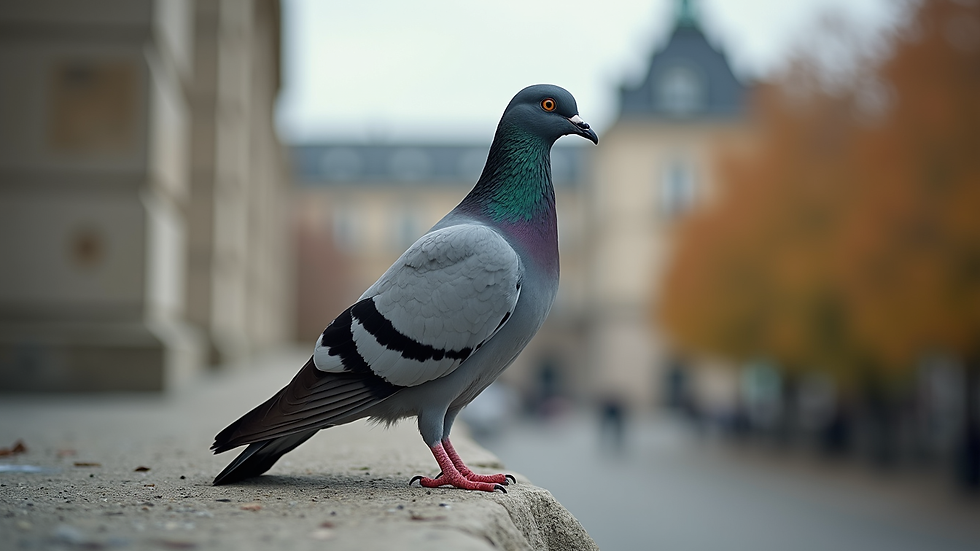
Pigeons, also known as rock doves, are fascinating birds with a rich history of companionship with humans. They have been domesticated for thousands of years and are known for their remarkable homing abilities. However, despite their resilience, many pigeons find themselves lost due to various factors.
The Homing Instinct
Pigeons possess an extraordinary homing instinct that allows them to navigate back to their home lofts from long distances. This ability is attributed to their keen sense of direction, which is influenced by the Earth's magnetic fields, the position of the sun, and even olfactory cues. Unfortunately, when pigeons are displaced from their familiar surroundings, they can become disoriented and struggle to find their way back.
Common Causes of Displacement
Several factors can lead to pigeons becoming lost:
Weather Conditions: Severe weather, such as storms or strong winds, can displace pigeons from their intended flight paths.
Predators: The presence of predators, such as hawks or cats, can force pigeons to flee their usual areas, leading to disorientation.
Human Interference: Urban development, construction, and changes in the environment can disrupt pigeon habitats and navigation routes.
Inexperienced Fliers: Young or inexperienced pigeons may struggle to find their way home, especially if they are released in unfamiliar areas.
The Challenges Faced by Lost Pigeons
Once a pigeon becomes lost, it faces numerous challenges that can impact its survival. Understanding these challenges is crucial for developing effective solutions.
Food and Water Scarcity
Lost pigeons often struggle to find adequate food and water sources. In urban environments, natural food sources may be limited, and pigeons may have difficulty locating safe places to forage. This scarcity can lead to malnutrition and dehydration, further jeopardizing their chances of survival.
Predation Risks
Disoriented pigeons are more vulnerable to predators. Without the ability to navigate effectively, they may inadvertently enter areas where they are at greater risk of being hunted. This increased exposure to danger can significantly reduce their chances of survival.
Stress and Health Issues
The stress of being lost can take a toll on a pigeon's health. Prolonged disorientation can lead to exhaustion, weakened immune systems, and susceptibility to diseases. Additionally, the psychological impact of being separated from their flock can lead to behavioral changes that further hinder their ability to thrive.
How We Can Help Lost Pigeons
As compassionate individuals, we have the power to make a difference in the lives of lost pigeons. Here are some practical steps we can take to support these birds in need.
Create Safe Spaces
One of the most effective ways to help lost pigeons is by creating safe spaces for them to rest and recover. This can be done by:
Providing Food and Water: Setting up feeding stations with birdseed and fresh water can attract lost pigeons and provide them with the nourishment they need.
Building Shelters: Constructing simple shelters using materials like wood or cardboard can offer protection from the elements and predators.
Educate the Community
Raising awareness about the plight of lost pigeons is essential for fostering a compassionate community. Consider organizing educational workshops or informational campaigns to inform others about the challenges faced by these birds and how they can help.
Report Lost Pigeons
If you encounter a lost pigeon, report it to local animal shelters or rescue organizations. Many of these organizations have resources and networks in place to assist lost birds and help reunite them with their owners.
Support Rescue Organizations
Consider donating your time or resources to local pigeon rescue organizations. These groups often rely on volunteers and donations to provide care for lost and injured pigeons. Your support can make a significant impact on their efforts.
The Role of Technology in Pigeon Rescue
Advancements in technology have opened new avenues for helping lost pigeons. Here are some innovative solutions that are making a difference:
GPS Tracking
Some pigeon enthusiasts and rescue organizations are utilizing GPS tracking devices to monitor the movements of pigeons. By attaching lightweight GPS units to pigeons, they can gather data on their flight patterns and identify areas where they may be at risk of becoming lost.
Online Communities
Social media platforms and online forums have become valuable resources for connecting pigeon owners and rescuers. These communities provide a space for sharing information about lost pigeons, offering advice, and coordinating rescue efforts.
Mobile Apps
Several mobile applications have been developed to assist in locating lost pigeons. These apps allow users to report sightings, share information, and connect with local pigeon enthusiasts who can help in the search.
Success Stories: Pigeons Finding Their Way Home
Despite the challenges faced by lost pigeons, there are countless success stories that highlight the resilience of these birds and the impact of community efforts. Here are a few inspiring examples:
The Journey of a Young Pigeon
In one instance, a young pigeon named Bella became separated from her flock during a storm. After several days of wandering, she was discovered by a kind-hearted individual who provided her with food and shelter. Bella eventually regained her strength and was reunited with her owner, thanks to the efforts of the local pigeon rescue community.
A Community Comes Together
In another case, a group of pigeon enthusiasts banded together to search for a lost racing pigeon. They utilized social media to spread the word and organized a community search party. Their collective efforts paid off when the pigeon was found safe and sound, showcasing the power of community support.
Conclusion: A Call to Action
The plight of lost pigeons is a pressing issue that requires our attention and care. By understanding the challenges they face and taking proactive steps to help, we can make a meaningful difference in their lives. Whether it's creating safe spaces, educating our communities, or supporting rescue organizations, every action counts.
As we move forward, let us remember the resilience of these remarkable birds and commit to being their advocates. Together, we can ensure that lost pigeons find their way home and thrive in our urban landscapes.
By fostering compassion and awareness, we can create a brighter future for these incredible creatures. Let's take action today to support lost pigeons and help them navigate their way back to safety.

Comments